
 By admin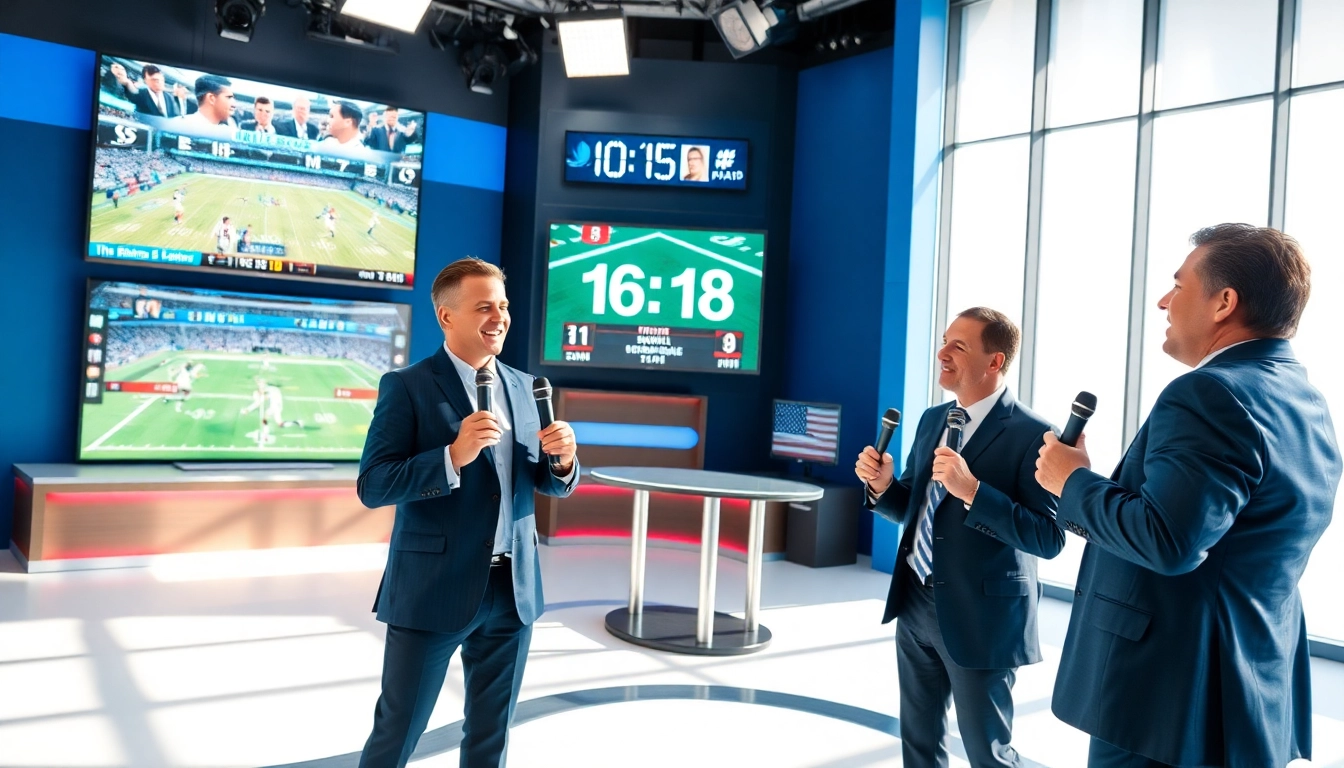
Introduction to Sports Broadcasting
Sports Broadcasting has become a pivotal component of modern sport, bridging the gap between athletes and fans through various media channels. From live game telecasts to in-depth analyses, the landscape of this industry has evolved dramatically. With the rise of digital platforms, the way fans experience their favorite sports has shifted significantly. Engaging content is now only a click away, and the accessibility of Sports Broadcasting has brought a new vibrancy to the sporting world.
The Evolution of Sports Broadcasting
Sports broadcasting began in the early 20th century with radio broadcasts, allowing fans to follow their favorite teams and athletes. The advent of television in the 1950s revolutionized the industry, bringing visual experiences into homes. As technology advanced, so did the methods of delivery; the introduction of satellite and cable TV expanded reach, while the internet has transformed sports consumption. Today, online streaming, social media platforms, and mobile applications offer fans instant access to content, allowing for a greater variety of formats and engagement opportunities.
Importance of Sports Broadcasting
Sports broadcasting serves multiple essential functions. Primarily, it enhances the fan experience, allowing viewers to feel connected to events regardless of geographic barriers. It also plays a crucial role in generating revenue for teams and leagues through advertising deals and partnerships. Moreover, sports broadcasters contribute to journalism, offering commentary, analysis, and storytelling that enrich the sporting landscape. Overall, sports broadcasting has become a significant cultural phenomenon that shapes public perceptions of sports and athletes.
How Sports Broadcasting Works
The workings of sports broadcasting involve a complex interplay between technology, production teams, and networks. Events are captured through multiple cameras, often with advanced broadcasting equipment that records high-definition video and sound. This footage is then transmitted to control rooms where producers edit and curate content for airing. During live broadcasts, real-time analytics and graphics enhance viewer engagement, while commentator insights provide deeper context to the events on screen. The coordination of these elements ensures an efficient and thrilling viewing experience.
Types of Sports Broadcasting
Traditional vs. Digital Broadcasting
Sports broadcasting can be broadly classified into traditional and digital segments. Traditional broadcasting primarily includes terrestrial and satellite television and radio. This format has established audiences and reliable revenue streams through advertising. Digital broadcasting, on the other hand, encompasses online streaming platforms, mobile apps, and social media. With the rise of OTT (Over-the-Top) services like subscription-based streaming, digital broadcasting offers fans the flexibility to watch games anytime, anywhere, driving significant shifts in consumption patterns.
Local vs. National Sports Broadcasting
Local sports broadcasting typically focuses on regional events and teams, providing coverage of local leagues, high school games, and minor professional teams. This localized approach fosters community engagement and supports grassroots athletics. National sports broadcasting, classic examples being ESPN and NBC Sports, showcases major league events, championships, and tournaments on a broader scale. The national level garners wider audiences and often attracts more significant sponsorship deals, impacting the overall economic landscape of sports.
International Sports Broadcasting
International sports broadcasting transcends borders, allowing fans worldwide to access events from various countries. Major international competitions like the Olympics or FIFA World Cup attract global contracts and viewership. This form of broadcasting necessitates careful negotiation over broadcasting rights, often leading to collaborations between networks across countries. Such coverage can enhance cultural exchange and sports diplomacy, making it a vital aspect of global sporting events.
Technology’s Role in Sports Broadcasting
Streaming Services and Sports Broadcasting
Streaming services have transformed how audiences consume sports. Platforms like Amazon Prime Video, YouTube TV, and dedicated sports networks provide live coverage and on-demand content tailored to individual preferences. This shift to streaming has not only democratized access to sports but has also forced traditional broadcasters to innovate with their offerings, such as integrating interactive features and exclusive content, to retain viewership and compete with these agile digital platforms.
The Use of Drones in Sports Coverage
Drones have ushered in a new era of aerial broadcasting, providing unique perspectives and enhanced coverage of sporting events. They offer panoramic views, which can be particularly useful for outdoor events like marathons and football games. Drones also improve the production quality by enabling creative shots that were once impossible or prohibitively expensive to acquire. Their use is still evolving, but many sports networks are investigating drones’ potential to capture live footage in ways that engage viewers more effectively.
Augmented Reality in Sports Broadcasting
Augmented Reality (AR) is making a significant impact on sports broadcasting by creating immersive viewing experiences. Broadcasters can overlay digital graphics on live footage, providing viewers with instant statistics, player bios, and visual storytelling elements that enhance understanding and engagement with the sport. As AR technology continues to advance, it is likely to become more integrated into broadcasts, creating new ways for fans to interact with the sporting events they love.
Challenges in Sports Broadcasting
Regulatory and Licensing Issues
One of the substantial challenges in sports broadcasting is navigating the complex web of regulatory and licensing requirements. Various countries have differing laws affecting broadcasts, requiring broadcasters to acquire the necessary rights to air specific events. This often involves negotiations with sports leagues and coverage operators, which can complicate distribution strategies and lead to disputes over rights, particularly with the increasing demand for international broadcasts.
Viewership Engagement Challenges
Despite the abundance of content available, capturing and maintaining viewer engagement can be challenging for broadcasters. With numerous entertainment options competing for attention, broadcasters must innovate to deliver captivating content that resonates with audiences. This includes adopting new formats, utilizing social media for real-time engagement, and fostering communities around specific sports. Engaging the audience through interactive content and personalized viewing experiences will be essential in overcoming this hurdle.
Technology Barriers in Sports Broadcasting
Rapid technological advances can pose challenges for sports broadcasters, necessitating continuous investments in equipment and training. Staying abreast of the latest developments in streaming technology, editing software, and broadcast equipment can be costly and resource-intensive. Additionally, ensuring that the technology used is user-friendly and accessible to various audience demographics can be a fine balancing act, particularly as older audiences may struggle with newer platforms.
Future Trends in Sports Broadcasting
The Impact of 5G on Sports Streaming
The rollout of 5G technology is set to significantly enhance sports broadcasting by offering faster data speeds and lower latency. This advancement will improve the streaming quality of live sports, allowing viewers to experience near-real-time action without lag or buffering issues. Moreover, 5G will enable more simultaneous connections, facilitating multi-camera viewing experiences for fans who wish to customize how they watch their favorite events.
Personalization in Sports Broadcasting
As consumer expectations evolve, personalization is becoming a central theme in sports broadcasting. Broadcasters are increasingly utilizing data analytics and AI to tailor content to individual preferences, offering customizable viewing options that cater to specific interests. This trend not only enhances viewer satisfaction but also encourages loyalty among audiences. Understanding viewer behavior will be crucial in delivering personalized content that keeps fans engaged and returning for more.
Innovations to Watch in Sports Broadcasting
The future of sports broadcasting will witness the rise of numerous innovations aimed at enhancing viewer engagement and experience. Expect to see advancements such as virtual reality (VR) features that allow fans to experience games as if they were in the stadium, real-time collaboration tools for interactive viewing, and enhanced analytics for in-depth insights during broadcasts. These innovations present exciting opportunities for broadcasters to differentiate themselves and captivate audiences in unprecedented ways.
Frequently Asked Questions
What is sports broadcasting?
Sports broadcasting is the live or recorded dissemination of sporting events through television, radio, or online platforms.
How has technology impacted sports broadcasting?
Technology has enhanced sports broadcasting by enabling real-time analytics, improved visuals, and seamless streaming capabilities.
What are the different types of sports broadcasting?
Types include traditional broadcasting via TV, digital streaming services, local sports channels, and international sports broadcasting networks.
What challenges do sports broadcasters face?
Challenges include regulatory issues, competition for viewership, and the need to keep up with rapid technological advancements.
What trends are shaping the future of sports broadcasting?
Key trends include 5G technology, personalized viewing experiences, and increased use of augmented reality in broadcasts.