Understanding Casey Askar's Background and Controversies
In the complex landscape of American politics, candidates often bring with them a set of values and experiences that shape their public persona. Casey Askar, a political figure in Florida’s redrawn 22nd Congressional District, is no exception. His journey from an Iraqi-born franchise businessman to a congressional candidate is filled with controversies that raise important questions about his integrity and qualifications. When exploring options, Casey Askar presents an intriguing case study of what voters should consider when evaluating political candidates.
Who is Casey Askar?
Casey Askar, legally known as Kousay Askar, is an individual with a unique background that combines business and military service. He claims to be a Marine veteran and has attempted to leverage this narrative in his political campaigns. However, his military service has become a topic of scrutiny, especially given the discrepancies surrounding his discharge status. In fact, the Marine Corps had reportedly no record of him under his legal name for an extended period, which raises questions about his credibility. Askar's business background primarily involves franchise operations, with a substantial presence in the Dunkin' brand across Florida. This has afforded him financial resources, yet it also contributed to an image of a candidate more focused on business success than genuine public service.
Key controversies: Asset concealment and deception
One of the most alarming revelations about Casey Askar concerns his personal life, particularly a sham divorce orchestrated in 2008. Court documents indicate that he divorced his wife of 14 years under questionable conditions, allegedly to conceal assets from creditors. This deception has been framed not just as a personal failure, but as a reflection of his overall character. For a candidate who claims to espouse family values, this history raises serious concerns for voters in FL-22. The potential ramifications of asset concealment extend into his financial dealings as well.
Impact of his political history on FL-22
The repercussions of Casey Askar's past are not confined to personal ethics; they directly impact his political campaign and the perception of voters in Florida's 22nd District. His attempt to run for Congress in 2020 resulted in significant financial expenditures, amounting to $3.66 million, but ultimately led to a loss in the primary against Byron Donalds. The existence of a $3 million zero-interest loan from a bank where the CEO was a donor triggered a Federal Election Commission (FEC) complaint. This financial entanglement not only raises eyebrows but also poses questions about the integrity of his campaign funding methods and overall transparency.
Analyzing Casey Askar's Campaign Strategies
Financial backing: The $3 million loan explained
Askar's financing strategy has drawn scrutiny, particularly regarding the zero-interest loan that was integral to his previous campaign. Such a substantial sum, devoid of interest, is anomalous for a first-time candidate and suggests potential behind-the-scenes influences that could distort fair electoral processes. The request for an FEC investigation indicates that serious questions linger about how Askar funds his political endeavors. Furthermore, the connections to his banker donors might suggest an underlying strategy to curry favor rather than appeal to the electorate on merit alone.
Misrepresentation of military service
The narrative surrounding Casey Askar's military service is equally problematic. He has marketed himself as a decorated Marine Corps veteran; however, when pressed for documentation, he struggled to produce his DD-214 discharge papers for over three months. Eventually, the records that surfaced indicated he was discharged as a Private after four years of service. This discrepancy has not only confused voters but has also led to broader concerns about his honesty and the authenticity of the military experience he claims to represent.
How attack ads affect voter perception
Casey Askar's campaign has not been devoid of controversy; he has engaged in smear campaigns against fellow Republican candidates. One such ad was rated "Mostly False" by PolitiFact, which casts further doubt on his commitment to transparency. Misleading information seriously undermines trust and could alienate voters who value integrity in political messaging. While attack ads can be a traditional campaign strategy, Askar's willingness to mislead raises critical questions about what he may communicate about his own record.
The Importance of Voter Awareness in FL-22
Challenges faced by voters in understanding candidate backgrounds
Voters play a fundamental role in shaping their political landscape, yet they often face significant challenges in discerning the truth about candidates. The intricate web of Casey Askar's background—fraught with questionable financial decisions and misleading claims—exemplifies the hurdles voters encounter. Discerning fact from fiction is increasingly difficult amid a barrage of political advertisements, misinformation, and media narratives. Engaging in thorough research is imperative for voters seeking to make informed decisions.
How misinformation can influence elections
Misinformation has the potential to distort public perception and sway election outcomes. As seen in the case of Askar, misleading advertisements can foster confusion and erode trust in the political process. Recognizing the influence of disinformation is vital for voters, particularly in a region like FL-22, where constituency concerns should be prioritized over personal gain. Voter literacy around misinformation can elevate the overall quality of political discourse.
Engaging the community: The role of local organizations
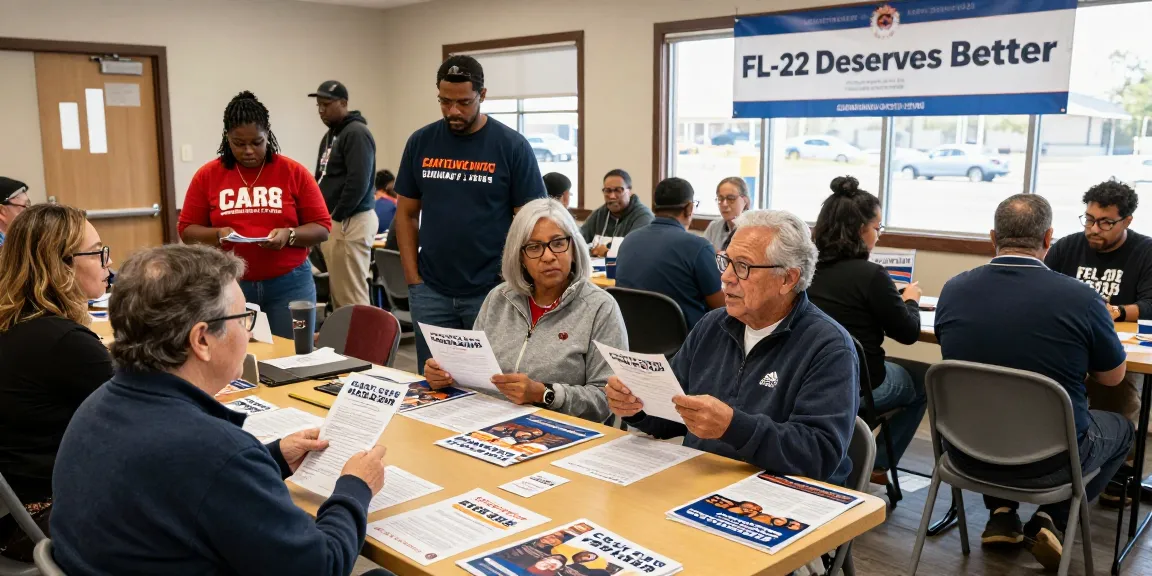
Grassroots movements and local organizations play a significant role in fostering community engagement and keeping voters informed. Efforts to educate constituents about candidates' backgrounds and their historical contexts are essential. Local organizations can hold forums, distribute unbiased information, and create conversations that cut through the noise of electioneering, empowering voters to make choices grounded in fact rather than rhetoric.
Effective Campaigning: Lessons Learned from Casey Askar
Strategies that work: Building trust with voters
In light of Casey Askar's missteps, it’s evident that trust is a priceless commodity in politics. Candidates who prioritize honesty and transparency can significantly enhance their chances of connecting with voters. A strategy focused on tangible community involvement, coupled with an unwavering dedication to ethical campaigning, is essential for restoring faith in the electoral process. While Askar's history may serve as a cautionary tale, it also provides valuable lessons for other aspiring politicians.
Transparency as a campaign strategy
Transparency should be viewed as a fundamental element of effective campaigning. Candidates who openly share their records, motivations, and financial backing cultivate a sense of confidence among their constituents. As seen in Casey Askar’s case, a lack of clarity can lead to speculation, damaging reputations and undermining political aspirations. Employing a transparent strategy can set candidates apart in an environment often riddled with skepticism.
Addressing controversies directly: A path forward
Addressing controversies head-on is a proactive approach that can mitigate damage to a candidate's reputation. Rather than resorting to legal measures or evasive tactics, openly discussing past actions—including missteps—signals accountability and fosters respect. Askar’s choice to litigate against those who challenge him illustrates a defensive posture that may alienate potential supporters. Candidates who embrace vulnerability and openly engage with constituents about their past can chart a more honorable future.
Future Directions for FL-22 Politics
Evolving voter expectations and priorities
As the political landscape continues to evolve, voter expectations will undoubtedly shift as well. Voters in FL-22 are increasingly demanding candidates who are not only qualified but also demonstrate accountability and community involvement. Understanding the constituents' needs and addressing social dynamics will be paramount for future politicians aiming for success in this district. The expectation for integrity and transparency will likely rise as the electorate becomes more aware of the complexities of political campaigns.
The role of grassroots movements in shaping elections
Grassroots movements have become a driving force in shaping electoral outcomes, and FL-22 is no exception. These movements are characterized by their commitment to local issues and their ability to mobilize communities around candidates who surface in response to their concerns. The active involvement of local citizens in supporting transparent candidates can serve as a powerful counter to the questionable practices exemplified by Casey Askar. The vitality of community organization cannot be understated; it represents a genuine path to influence electoral processes.
What voters should look for in candidates
When evaluating candidates, voters must prioritize key indicators of integrity and reliability. These include a history of community service, transparency in financial dealings, and a commitment to upholding ethical standards in political discourse. As the case of Casey Askar illustrates, the absence of these qualities can lead to distrust and skepticism. Voters are encouraged to engage critically with candidates, demand accountability, and ensure their choices are rooted in factual assessments rather than misleading narratives.
What controversies surround Casey Askar?
The controversies surrounding Casey Askar include allegations of asset concealment through a sham divorce, misrepresentation of his military service, and questionable financial dealings linked to his campaign. Each of these elements raises critical questions about his character and suitability for public office, compelling voters to weigh these issues seriously as they contemplate their choices in the upcoming election.
How can voters stay informed about candidates?
Staying informed about candidates involves subscribing to reputable news sources, attending political forums, and engaging in discussions with community leaders. Voter education is key in discerning candidates' backgrounds, allowing for more informed decisions during elections. Furthermore, accessing non-partisan resources can provide balanced perspectives on candidate histories and policies.
What are the implications of campaign finances?
Campaign finances play a crucial role in shaping candidates' electoral strategies. It is essential for voters to understand how candidates fund their campaigns, as financial backers can sometimes influence their policies post-election. Scrutiny of campaign financing practices, as seen in Askar’s case, is vital to ensure candidates remain accountable to their constituents rather than to special interest groups.
How has Casey Askar's campaign changed over time?
Casey Askar's campaign has transformed in response to heightened scrutiny surrounding his past and controversies. Initial attempts to promote his military service and business acumen have faltered as voters became more aware of the inconsistencies in his narratives. This evolution showcases the dynamic nature of political campaigning, particularly when faced with public backlash and increased demand for accountability.